Raleigh Loosened Its Housing Rules, and Rents Fell
Housing is a very hot topic in the United States right now, and that is especially true in Cary. Home prices and interest rates have jumped, and rents have skyrocketed since 2021 (about 21 percent nationally, and 38 percent in Raleigh from 2017 to 2022).
The apartment complexes and townhomes that are being built in the area tend to be on the luxurious side. Expensive units with community amenities like salt water pools, golf simulators, and pet spas, definitely a bit more exciting than just an in-unit washer and dryer.
There has been a lot of public discourse surrounding these new builds. Previously wooded land has been cut down to allow all of this housing to exist, and it seems that these new housing complexes are only for those that have a considerable amount of money, therefore not directly impacting the housing cost concern.
However, this new study by Pew Research took a look at the Raleigh housing market, and how loosened regulations allowed for more development, and despite many of it being luxurious, prices went down across the board, especially for the older, lowest price apartments.
Raleigh’s rents rose 38 percent from 2017 to 2022, faster than the country as a whole, as newcomers poured into the Research Triangle. In 2021 and 2022, the city rewrote its land-use rules to let more homes get built: form-based zoning that dropped density caps in non-single-family districts, room for townhomes, duplexes, triplexes, and tiny homes, more apartments near transit, and, in 2022, the end of citywide parking minimums.
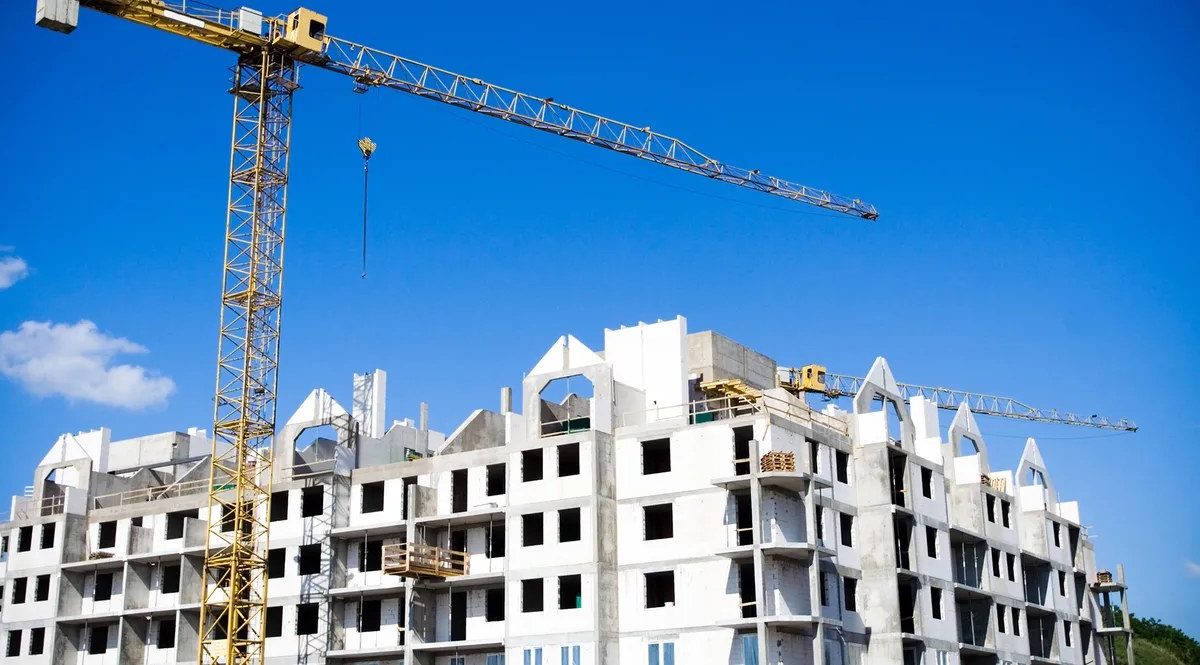
Builders responded. Raleigh issued permits for an average of 3,301 homes a year from 2017 to 2020. From 2021 to 2024, that average jumped 74 percent to 5,731 a year. The rest of North Carolina rose 29 percent in the same stretch. More than 2,000 of the new homes were townhouses, a housing type that had faced regulatory barriers under the old rules.
Then the rents moved. Average rent in Raleigh rose at half the national rate, and in inflation-adjusted terms it fell 15 percent from 2022 to 2025. That happened while the city added about 31,000 residents, a population increase of 6.5 percent. A typical Raleigh apartment was affordable to a household earning 79 percent of the area median income in 2022. By 2025, that figure was 65 percent.
The study is honest about who the new housing mostly serves. About 12 percent of the homes built from 2021 to 2024 were income-restricted affordable housing, much of it funded by the city’s $80 million housing bond. That money skewed lower than the headline numbers suggest: over 90 percent of the 470 or so units built with rental gap financing are affordable at 60 percent of area median income or less, and many of the first 240 bond-funded units are reserved for people at 30 percent or below. On the market side, the steepest rent decreases from 2023 to 2024 were in Class C buildings, the older and cheaper apartments.
One piece of this reaches Cary directly. In July 2026, North Carolina passed what Pew calls the strongest state parking reform in the country, removing minimum parking requirements for most uses across most of the state. Raleigh had already shown what that does locally: after it dropped its mandates, the parking built per apartment fell by roughly half in the projects the city sampled, which cuts construction costs by tens of thousands of dollars per building.
Cary’s approach is different. Here, density still gets decided project by project, in rezoning hearings that can run for years. Thursday night brings the latest example, when council takes up the Maynard Spring Senior rezoning. Raleigh’s experiment does not settle Cary’s arguments, but it does give this town a working example, fifteen minutes away, of what changing the rules themselves can do.
Of course, not everyone is on board. In Cary public hearings, you will often hear concerns of increased traffic and not enough existing infrastructure for it to be sustainable for everyone. Others believe crime will increase (though no data supports this), and a few will echo concerns that this isn’t helping the affordable housing crisis since the new apartments will be priced fairly high.
We also have less we can build on. Town staff recently reported that only 12 percent of Cary’s developable land is left to develop on.
While it is certainly a nuanced topic, this new research supports that building more housing, no matter what type, is leading to lowered rent.